How to Improve Communication Skills for Students: A Practical Guide
Communication skills are one of the most important abilities a student can develop. Whether it’s answering questions in class, participating in group discussions, or making new friends, strong communication builds confidence and creates opportunities. The good news is that communication is not a talent you’re born with – it’s a skill you can improve with the right guidance and practice.
Why Communication Skills Are Important for Students
Good communication helps students express ideas clearly, understand others better, and participate actively in academic and social settings. Students with strong communication skills often perform better in presentations, group projects, and interviews later in life.
It also boosts confidence, reduces hesitation, and helps students feel more comfortable in social situations.
Verbal vs Non-Verbal Communication
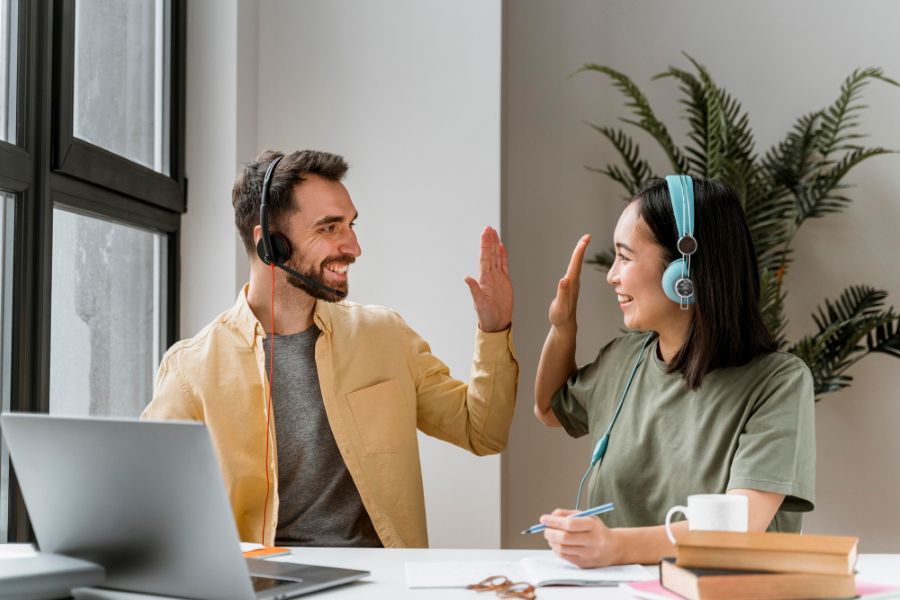
Communication is not only about the words you speak. It also includes how you say them and the body language you use.
Verbal communication includes:
- Choice of words
- Clarity of speech
- Tone and pace
Non-verbal communication includes:
- Facial expressions
- Eye contact
- Posture and gestures
Both are equally important in making your message effective and engaging.
How to Start and Maintain Conversations
Many students struggle with starting conversations or keeping them going. A few simple techniques can help:
- Begin with a polite greeting and a smile
- Ask open-ended questions instead of yes/no questions
- Listen carefully and respond thoughtfully
- Share your opinions without fear
Practicing small conversations daily builds confidence for larger speaking situations.
Active Listening Skills for Better Understanding
Communication is a two-way process. Being a good listener is just as important as being a good speaker.
Active listening means:
- Paying full attention to the speaker
- Not interrupting
- Nodding or responding to show understanding
- Asking questions for clarity
This makes others feel valued and improves the quality of your interactions.
Public Speaking as a Confidence Booster
Participating in public speaking activities helps students overcome hesitation and become more expressive. Even small activities like introducing yourself, reading aloud, or speaking in front of classmates help build stage confidence.
The more students practice speaking in front of others, the more natural and comfortable it becomes.
Eye Contact and Posture Tips
Simple body language changes can make communication more effective:
- Maintain gentle eye contact while speaking
- Stand or sit straight to show confidence
- Avoid crossing arms, which can seem defensive
- Use natural hand gestures to support your message
These small adjustments make a big difference in how others perceive you.
Vocabulary Improvement Habits
A good vocabulary helps students express thoughts more clearly and confidently. You can improve vocabulary by:
- Reading books, newspapers, or articles daily
- Learning a few new words each day
- Practicing using new words in sentences
- Watching educational videos or listening to podcasts
Over time, this improves fluency and clarity in communication.
Classroom Participation Confidence
Many students hesitate to speak in class because they fear making mistakes. Remember, classrooms are learning spaces – not performance stages.
To build confidence:
- Prepare before class
- Start by answering simple questions
- Practice speaking clearly and slowly
- Focus on sharing your ideas rather than being perfect
Every small step builds stronger communication habits.
Benefits of Communication Skills Training
Structured communication training provides practice, guidance, and feedback that help students grow faster. It creates a safe environment to try, make mistakes, and improve.
With regular training, students develop better clarity, stronger social skills, improved confidence, and the ability to express themselves effectively in both academic and everyday situations.
Improving communication skills is a journey that shapes your academic success, friendships, and future career. The earlier students begin, the easier it becomes to grow into confident and expressive individuals.
Want to help your child or yourself become a confident communicator?
Explore our Art of Expressive Communication program and start building essential life skills today.