
How to Overcome Stage Fear and Speak Confidently in Public
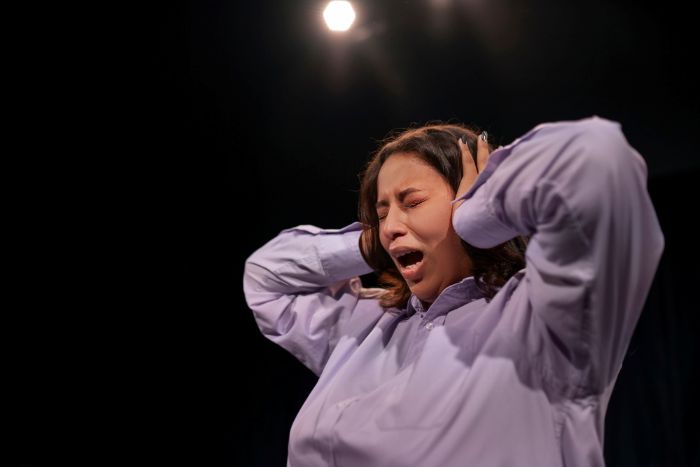
Public speaking is one of the most valuable skills a student or young professional can develop. Yet, for many people, the idea of speaking in front of an audience brings nervousness, shaky hands, and a racing heart. If you’ve ever forgotten your lines, avoided presentations, or felt your voice tremble while speaking, you’re experiencing something very common — stage fear.
The good news? Stage fear can be managed and confidence can be built with the right techniques and practice.
What Is Stage Fear and Why Does It Happen?
Stage fear, also known as public speaking anxiety, is the nervousness people feel when they have to speak in front of others. It happens because our brain sees public attention as a high-pressure situation. We start worrying about making mistakes, being judged, or forgetting what to say.
This fear triggers physical reactions like:
- Sweaty palms
- Fast heartbeat
- Dry mouth
- Shaky voice
- Mind going blank
Understanding that this reaction is natural is the first step to overcoming it.
Signs You Struggle With Public Speaking Anxiety
You might have stage fear if you:
- Avoid raising your hand in class
- Feel extremely nervous before presentations
- Speak too fast or too softly
- Forget points you prepared
- Avoid eye contact while speaking
Recognizing these signs helps you take action instead of avoiding opportunities to speak.
Practical Techniques to Overcome Stage Fear
Confidence in public speaking doesn’t come overnight, but these practical steps make a big difference:
1. Practice Out Loud
Practicing in your head is not enough. Speak your content aloud, stand up, and rehearse like it’s the real situation.
2. Start Small
Begin by speaking in front of a mirror, then friends or family, and gradually move to larger groups.
3. Focus on Your Message, Not Yourself
Instead of thinking “How do I look?”, think “What value am I giving my audience?”
4. Use Breathing Techniques
Take slow, deep breaths before you speak. This calms your nerves and steadies your voice.
5. Prepare Key Points, Not Full Scripts
Memorizing word-for-word increases panic if you forget. Know your main ideas instead.
The Importance of Body Language and Voice Modulation
Your confidence isn’t shown only through words. Non-verbal communication plays a huge role.
- Stand tall with open posture
- Maintain eye contact with different people in the audience
- Use hand gestures naturally to support your message
- Vary your tone to avoid sounding monotone
- Pause strategically instead of rushing through sentences
These small changes instantly make you look and feel more confident.
How Practice and Feedback Improve Public Speaking Skills
The more you speak, the less scary it becomes. Regular practice helps you:
- Get comfortable being the center of attention
- Improve clarity and pronunciation
- Learn to organize thoughts quickly
- Handle mistakes without panic
Constructive feedback from a trainer or mentor helps you notice habits you may not see yourself, like filler words (“um”, “uh”) or nervous movements.
Mistakes Beginners Should Avoid
When learning public speaking, try not to:
- Read directly from slides or paper
- Speak too fast due to nervousness
- Avoid eye contact completely
- Apologize repeatedly for small mistakes
Remember, audiences are usually supportive – they want you to do well.
Benefits of Joining a Public Speaking Training Program
While self-practice helps, structured training accelerates growth. A public speaking program provides:
- Guided techniques to manage stage fear
- Practice sessions in a safe environment
- Personalized feedback for improvement
- Opportunities to speak regularly
- Confidence that carries into academics and career
With the right support, even the most hesitant speaker can grow into a confident communicator.
Final Thoughts
Stage fear doesn’t mean you’re not capable – it simply means you haven’t trained your speaking muscles yet. Like any skill, public speaking improves with practice, guidance, and the courage to take small steps forward.
Every confident speaker you admire once felt nervous too. The difference is, they chose to face the fear instead of avoiding it.
Ready to overcome stage fear and speak with confidence?
Join our Public Speaking Program and start your journey today. – Click Here